
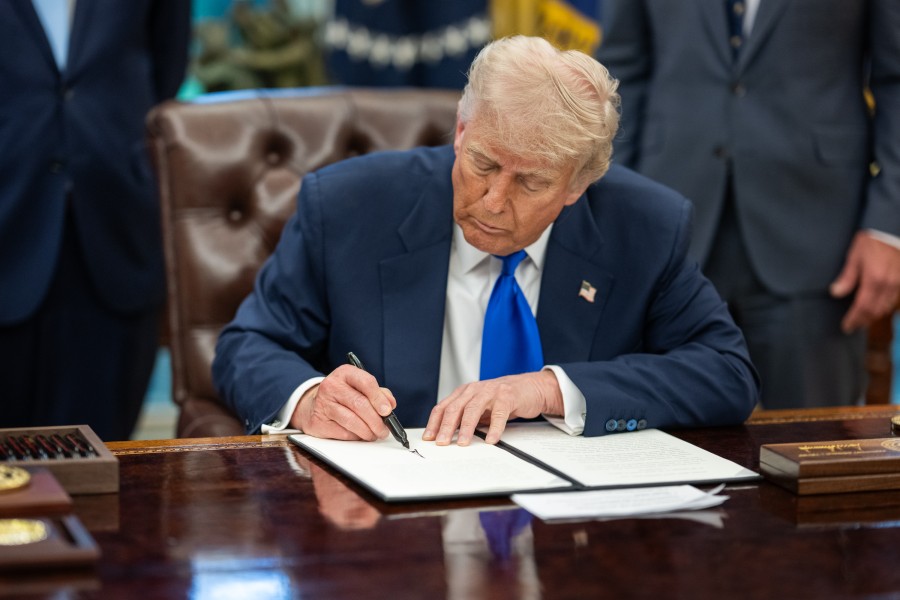
President Donald Trump is under increasing scrutiny from both sides of the political aisle over his preliminary deal with Iran. This criticism comes despite Vice President JD Vance’s optimistic remarks about the ongoing peace negotiations, describing them as both productive and promising. Tensions escalated further when Trump issued a warning that the United States might launch military strikes against Iran should Tehran fail to curb Hezbollah’s activities in Lebanon. This warning coincided with direct negotiations between U.S. and Iranian representatives in Switzerland, aimed at establishing a broader peace agreement.
Following Trump’s comments, Iranian state media reported that Iran’s delegation temporarily exited the negotiation venue, though discussions reportedly continued through mediators. The preliminary agreement between Washington and Tehran has sparked concern among American political figures. Republican Senator John Cornyn expressed apprehension, arguing that loosening economic restrictions could enable Iran to enhance its military capabilities and potentially resume sensitive nuclear activities.
From the Democratic perspective, former National Security Adviser Susan Rice has voiced significant criticism, labeling the framework as excessively favorable to Tehran. Rice contends that major concessions, such as sanction relief and access to financial resources, were granted prematurely, before a comprehensive agreement on Iran’s nuclear program was secured. Senator Cory Booker echoed these criticisms, asserting that Iran receives substantial economic benefits without offering sufficient commitments in return.
The reported agreement includes provisions that would allow Iran to export oil more freely and access financial assets previously restricted. Proponents of the deal argue that these measures are crucial for encouraging diplomatic progress and alleviating tensions in the Middle East. Meanwhile, Vice President Vance has maintained a hopeful outlook following the initial round of talks in Switzerland, noting that substantial progress had already been made and expressing confidence in achieving further breakthroughs.
These discussions occur amid broader efforts to stabilize the region, addressing issues such as tensions in Lebanon and the strategic importance of maintaining energy supplies through the Strait of Hormuz. U.S. Energy Secretary Chris Wright has defended the administration’s strategy, claiming recent military and diplomatic developments have weakened Iran’s negotiating position, opening the door for a more favorable long-term settlement. Despite reported progress, the agreement continues to face political scrutiny in Washington, where skeptics from both parties remain wary of the concessions granted to Tehran and its long-term impact on regional security.