
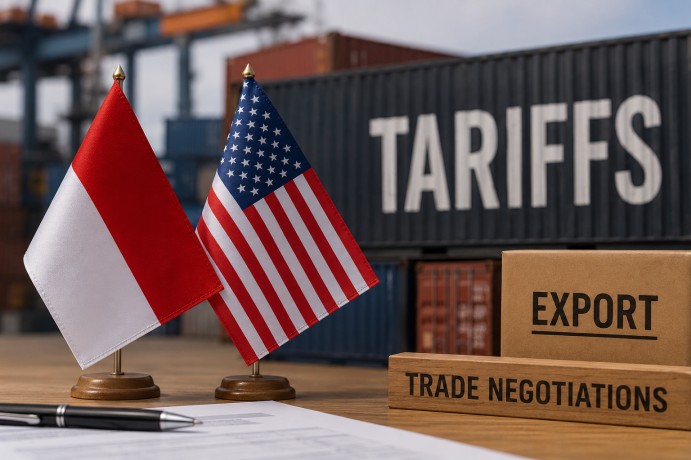
Indonesia is actively seeking assurance from the United States regarding the continuation of previously agreed-upon tariff exemptions for its key exports, following the implementation of a new 10% U.S. tariff. The latest tariffs, which have been introduced due to concerns about forced labor enforcement, include Indonesia among the countries subject to this lower levy. Indonesian officials are in ongoing discussions with U.S. trade authorities, expressing hope that existing trade agreements will uphold duty-free access for significant exports such as crude palm oil, cocoa, coffee, and natural rubber.
Additionally, Indonesia is anticipating the results of a separate U.S. investigation into structural excess capacity, which could potentially lead to further trade measures. In response, the Indonesian government is committed to continuing negotiations to ensure competitive tariff rates and to safeguard its export markets. The discussions highlight Indonesia’s determination to maintain favorable trade conditions amidst changing U.S. policies.
The new tariff policy does, however, include preferential treatment for certain Indonesian textile exports that incorporate U.S. cotton and other American inputs. This aspect of the policy underscores the complex nature of international trade agreements and the potential for specific industries to benefit from tailored trade terms, even amidst broader tariff increases.
Trade relations between Indonesia and the United States have shown significant activity, with bilateral trade reaching $18.4 billion in the first five months of 2026. During this period, Indonesia has maintained a trade surplus of approximately $7 billion with the United States, reflecting the significant volume and value of its exports to the American market.