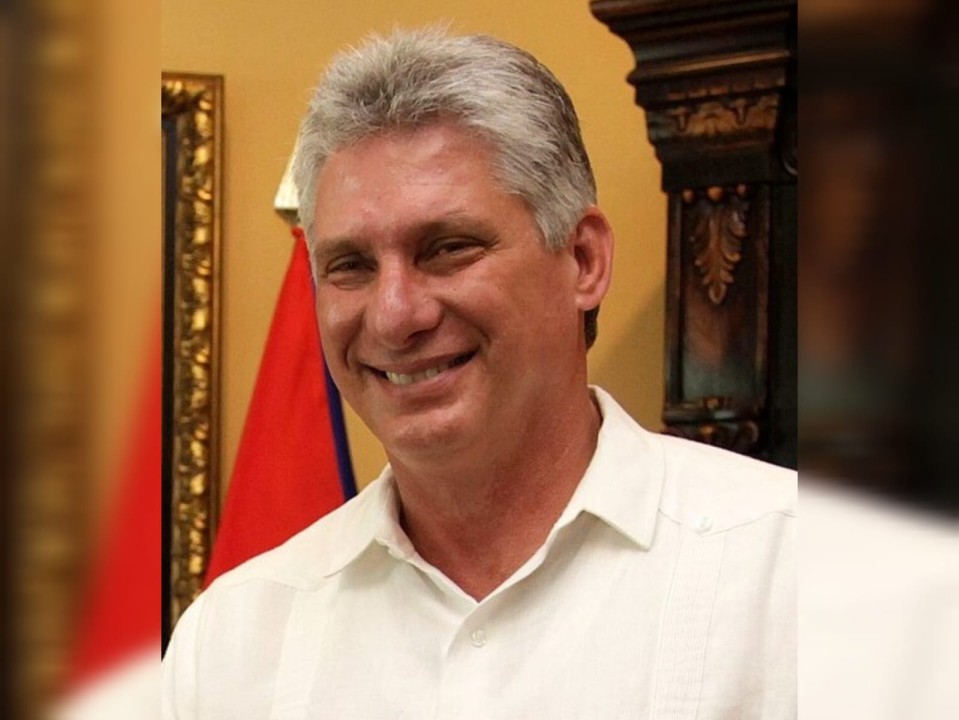
The United States has unveiled a fresh set of economic sanctions aimed at the top echelons of Cuba’s leadership, including President Miguel Díaz-Canel and his family, as well as members of the Castro family. This move is part of an intensified effort by the US to exert pressure on the Cuban government. The sanctions also extend to organizations linked to Cuba’s military, such as the Ministry of the Revolutionary Armed Forces, and various state-associated entities.
Among those affected are individuals connected to former President Raúl Castro, who, despite not holding an official government position, continues to wield significant influence within Cuba’s political framework. The US has made it clear that these measures are designed to amplify economic and diplomatic pressure on Havana. Secretary of State Marco Rubio has warned that any individuals or entities, including foreign banks and international companies, that provide support or services to the sanctioned groups could also face punitive actions.
This announcement is part of ongoing US sanctions against Cuba, which include a longstanding economic embargo. Relations between the United States and Cuba have further strained in recent years, with mutual accusations intensifying. US officials have accused the Cuban government of political repression and interfering in regional matters, while Cuba attributes its deepening economic woes to these US-imposed sanctions.
The sanctions are aligned with a broader strategy under the administration of President Donald Trump, who has sought to escalate economic and political pressure not just on Cuba but across the region. By targeting key figures and institutions, the US aims to increase leverage over the Cuban government, which has been a focal point of US foreign policy in the Caribbean.