
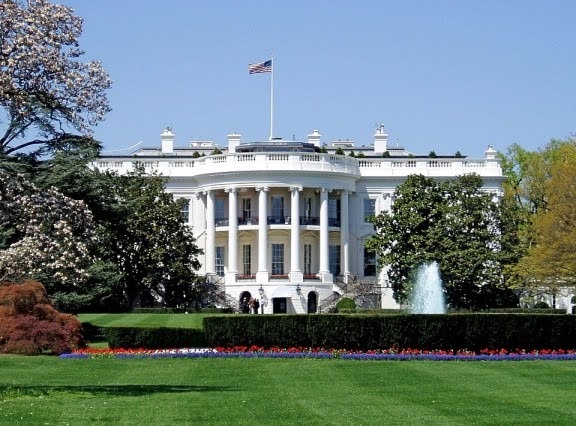
The White House has put forward a new proposal that has sparked concern among academic and research communities due to its plan to enforce stricter oversight on federal grants. This proposal mandates that all grants funded by the federal government must align with the president’s policy priorities and adhere to what the administration refers to as “American values.” The administration argues that previous funding practices have supported ideological positions disconnected from the majority of Americans and have led to inefficient use of taxpayer dollars.
If the proposal is approved, it would grant political appointees increased authority to review, adjust, or even terminate grants that do not align with national interests. Critics of the proposal express apprehension that these changes could undermine the traditional peer-review system, which is crucial for evaluating scientific and academic research proposals. There are fears that political bias could seep into funding decisions, potentially impacting research into areas like diversity, equity, and gender issues.
Furthermore, the proposed rules would limit the use of federal funds for certain activities, including some international partnerships and studies exploring discriminatory impacts on protected groups. Grant recipients could also face new reporting obligations, such as the requirement to submit long-term plans for conferences and research endeavors. This aspect of the proposal has drawn criticism from many scientists and academic leaders who argue that it could stifle innovation, hinder academic freedom, and weaken the United States’ competitive edge in global research.
Supporters of the proposal, however, argue that these reforms would ensure that federal funds are allocated in ways that better serve national priorities and the public good. The proposal is presently undergoing the federal rule-making process and, if finalized, has the potential to be implemented later this year.