
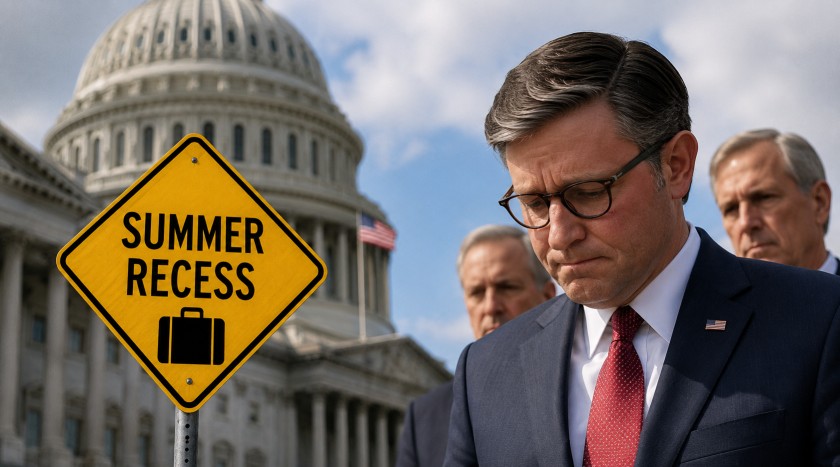
The U.S. House of Representatives, led by Republicans, has wrapped up for the summer break after making strides on several significant legislative fronts. Among the priorities advanced were increased defense spending and proposed changes to voting laws. However, as the November midterm elections approach, the party faces mounting political pressure.
Despite celebrating these legislative achievements, the Republican Party is grappling with internal tensions. A notable rift became apparent when a faction of Republican lawmakers sided with Democrats to pass a symbolic resolution urging the withdrawal of U.S. troops from combat missions involving Iran. This move highlighted the existing discord within the party ranks.
The fate of the proposed defense budget and the election reform measures now rests with the Senate, where their future remains uncertain. Republican leaders in the Senate have hinted at potentially postponing action on these issues as broader negotiations over the federal budget continue to unfold.
Meanwhile, Democrats are seizing the opportunity to focus on voters’ concerns about healthcare, economic issues, and military expenditures. They aim to leverage these topics to regain momentum in Congress. On the other hand, Republicans maintain that their policies are bolstering the economy and enhancing national security, setting the scene for what promises to be a fiercely contested campaign as the midterms draw near.