
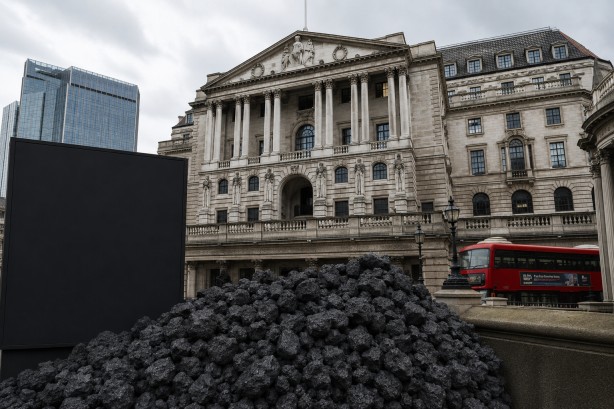
The Bank of England has declared a new policy to exclude bonds tied to thermal coal companies from being accepted as collateral in its lending operations starting in October. This decision represents a pivotal move in tackling financial risks associated with climate change.
Typically, commercial banks, including top-tier lenders, utilize bonds as collateral when borrowing from the central bank to maintain daily operations and facilitate transactions. However, with the implementation of this policy, bonds related to thermal coal—a significant source of energy in power plants—will no longer qualify for this purpose.
The central bank highlighted that companies connected to thermal coal are increasingly facing financial risks as countries worldwide expedite their shift towards cleaner energy solutions and aim for net-zero emissions. This transition could lead to a depreciation in the value of coal-related assets over time.
Additionally, the policy grants the Bank of England the authority to apply discounts to bonds from other industries that are vulnerable to climate risks, thereby safeguarding its balance sheet against potential financial setbacks.
Environmental advocates have applauded the initiative, viewing it as a powerful message to financial markets that could prompt commercial banks to lessen their involvement with industries known for high pollution levels. Already, over 150 major financial institutions globally have imposed restrictions on businesses linked to the thermal coal sector. Analysts suggest that the policy’s success will hinge on the assessment of climate risks and whether similar strategies will be extended to other environmentally detrimental activities in the future.