
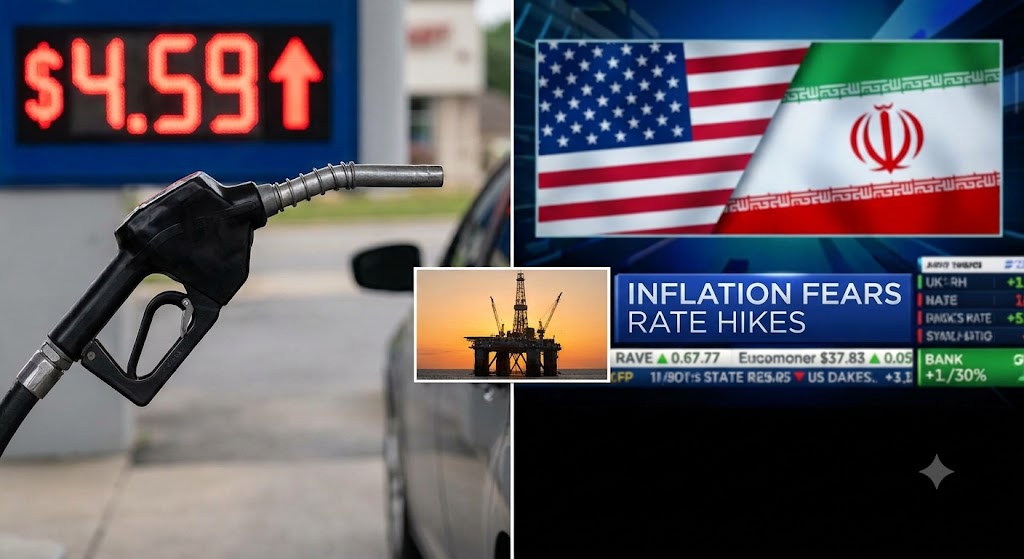
Rising tensions between the United States and Iran have led to an increase in global oil and gas prices, sparking concerns about energy supply stability and inflationary pressures. The latest military skirmishes caused Brent crude to temporarily peak at its highest level in over a month. However, prices eased slightly when US President Donald Trump decided against implementing a proposed 20% fee on ships traversing the Strait of Hormuz, a critical passage for global oil shipments.
The surge in energy costs has heightened speculation that major central banks, such as the Bank of England and the European Central Bank, might consider raising interest rates later this year as a measure to control inflation. The bond market responded with rising yields, while initial declines in European stock markets were eventually reversed as fears over the shipping levy subsided.
Analysts are warning that ongoing instability in the Middle East could maintain volatility in energy markets. This, in turn, could have far-reaching effects on global inflation rates and influence monetary policies worldwide in the upcoming months.
As the geopolitical situation remains uncertain, economic stakeholders are closely monitoring developments in the region. The potential for continued conflict means energy markets may face unpredictable shifts, which could complicate efforts by central banks to manage inflation effectively.